.png)

Taboo or not Taboo? Navigating Malagasy Fady

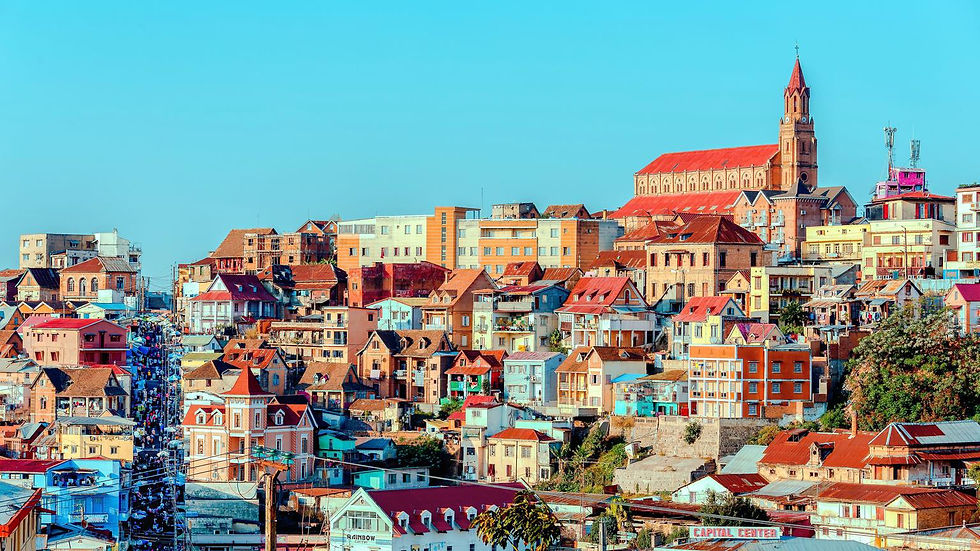
If you walk around the Queen’s Palace in the centre of Antananarivo (The Rovan'i Manjakamiadana) you may notice some signs. There are the obvious prohibitions: no smoking, no taking pictures, no touching the exhibits. But as you look closer, you will also be warned that you are not allowed to bring pigs, onions or goats (in any form) into the palace.

What are Taboos?
While this might seem strange, an intrinsic part of Malagasy culture are the taboos. Taboos (known in Malagasy as fady) are prohibitions and rules that the Malagasy have assimilated into their culture in order to establish their identity. There are taboos that seem to be universal across Madagascar, but there are also taboos used to mark specific cultural boundaries between different people groups, where each of these groups will adhere to different prohibitions. It is interesting to consider that a society would define itself not by what it does, but by what it refuses to do. An “identification in negation”.¹
Taboos are everywhere, they are “omnipresent”² in Malagasy society, and we see this a lot in the Merina culture. A casual drive around Antananarivo will yield many restaurants that refuse to serve pork because it is fady. We have friends who serve in a hospital in Mandritsara among the Tsimihety people. The word Tsimihety means: “Those who do not cut their hair”.³ An entire people group defined by a taboo.
Of course, some of these taboos arose from the agreed wisdom of the community. For example, a village realises that they are getting sick from drinking water at the nearby stagnant river, and as that knowledge is passed down the generations, drinking from the river becomes a fady. Pointing at Malagasy tombs is strictly forbidden, as respect for the ancestors is highly prized. But there are other taboos that have made life difficult for the Malagasy if they choose to embody the fady. It may be fady in certain areas to shower in hot water, or to eat spicy foods. In Ranomafana, going to the toilet in the same area consistently is fady.⁴ In the southeast of Madagascar, it was taboo to be a twin, which in the past led to extermination, but nowadays many twins are sadly abandoned in this region.
Here are some other weird and wonderful fady (some of these are localised taboos, not national):
· Only the patriarch is allowed to eat the backside of a fowl
· You cannot wear red during a funeral (but it’s good to wear red during a sacrifice)
· Wash your hands and face before getting into a boat
· A zebu herder must not eat hedgehogs or the calf will die
Taboos in Christian Ministry
During our time in Antananarivo, taboos have had an impact on our work and ministry. For instance, Miriam’s organisation recently tried to help a woman receive some treatment from the doctor, but sadly she won’t even attend an appointment due to several taboos that she fears. Whilst we understand that some of these taboos have come from cultural wisdom (not swimming in a crocodile-infested lake!), many are a reflection of the fear-power dynamic of Malagasy culture. Many Malagasy are in fear of dreaded consequences should they transgress the taboo. Even the word for sorry/please in Malagasy is Azafady (Don’t fady!).
“For freedom Christ has set us free; stand firm therefore, and do not submit again to a yoke of slavery” [Galatians 5:1]
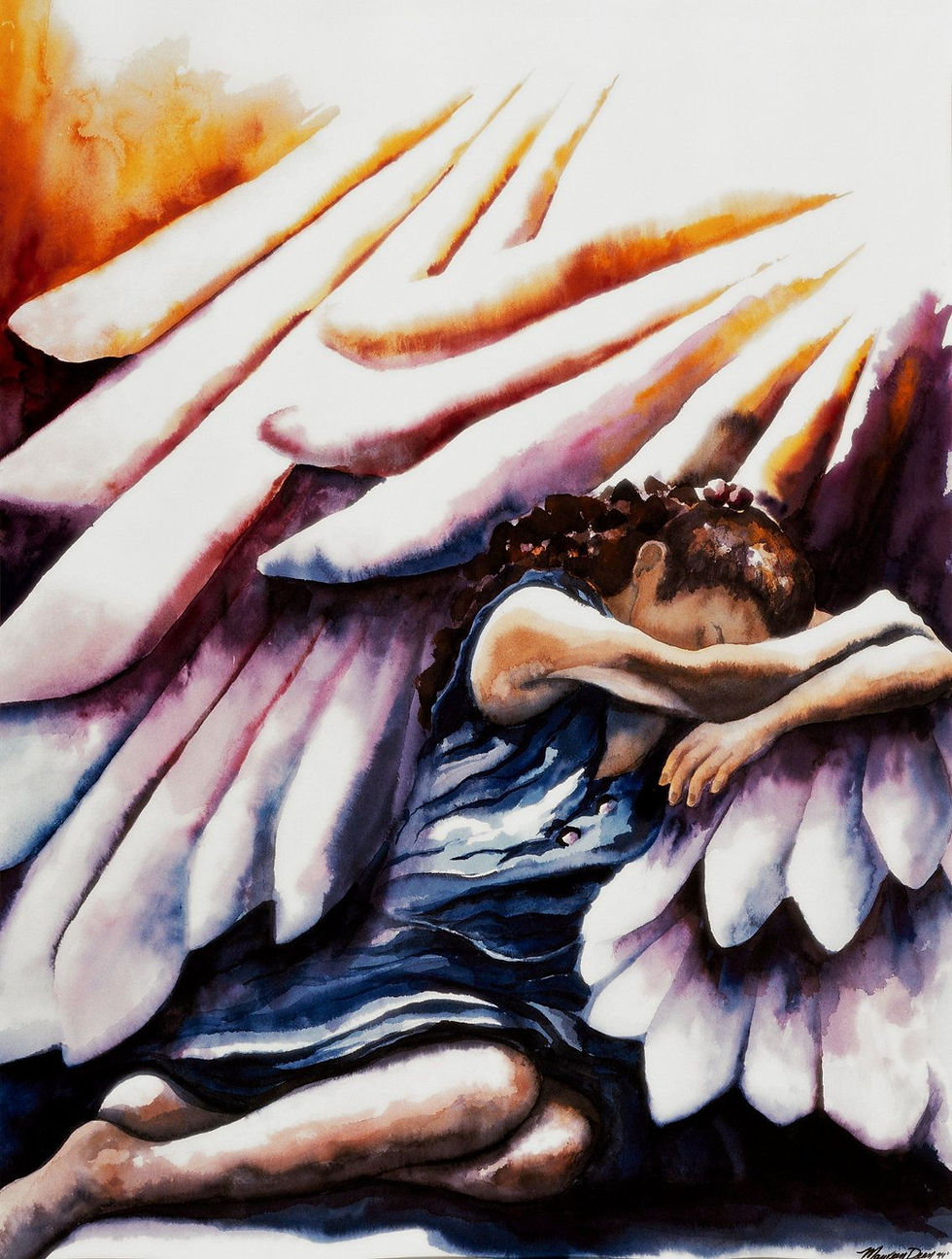
We are respectful of the local fady as we live and work with the Malagasy, but we also contend that they are enslaved by these cultural taboos. Galatians 5:1 says: “For freedom Christ has set us free; stand firm therefore, and do not submit again to a yoke of slavery”. Paul was saying this to the Galatian church who had previously tasted the sweet freedom of the gospel but were being unduly influenced back towards circumcision and the boundary markers of the law. Paul argued that we cannot be justified by the works of the law but only by the righteousness that come through faith in Jesus Christ. Similarly, the taboos of Madagascar are rules placed upon the culture that will neither lead to the Malagasy’s justification before a holy God nor lead them into a greater holiness and purity. It will only harden their chains.
Many cultural forms in Madagascar are worth redeeming by the light of the Gospel, but others will need to be destroyed by its power. Jesus secured our freedom from bondage by his death and resurrection, and as more Malagasy turn from their sin and turn to him in faith, then the power of taboos will wane in the land.
¹ Lambek, Michael., "Taboo as Cultural Practice Among Malagasy Speakers" Man 27, No. 2 (June 1992), p.246
² Ruud, Jørgen. Taboo. Norway: Oslo University Press, 1960, p.1
³ Lambek, Michael., "Taboo as Cultural Practice Among Malagasy Speakers" Man 27, No. 2 (June 1992), p.246
⁴ https://medium.com/@rafararano/madagascars-fascinating-taboos-the-world-of- fady-and-the-ritual-of-turning-bones-2f0ea88da0e3